

Single-Use Plastic Bottles: Why They're Going Away & What's Next?
Change is happening, quietly and steadily.
Single-use plastic bottles are being limited in more places, not by trend but by policy.
States, cities, and institutions are saying no to throwaway packaging, and if you look around you may already see the shift, reasons are documented, alternatives exist, and the timeline is active.
Why here? At Seattle Soap, we think about everyday packaging and the waste it creates, so changes around single-use bottles matter to how people wash, clean, and refill at home. We care about simpler routines, fewer throwaway containers, and materials that can cycle, which is why we follow, and share, credible data and practical alternatives. This post sits in that spirit: to clarify the shift, highlight workable options, and help you choose what fits your life without the noise.
The Evidence Is In
What do the numbers say?
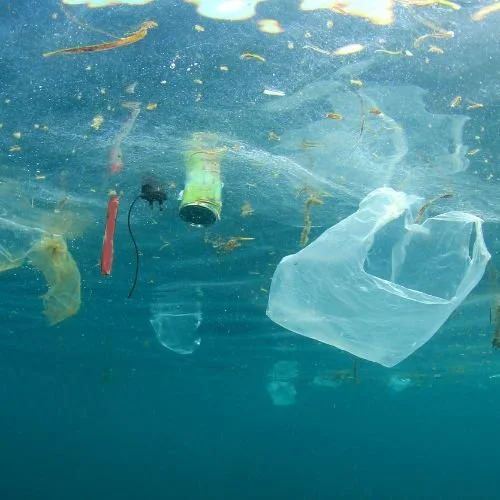
About 1.7 million tonnes of plastic waste enter the oceans each year, around 0.5% of global plastic waste, while far more, an estimated 19 to 23 million tonnes annually, leak into rivers and lakes across aquatic ecosystems before reaching the sea.
Plastic doesn’t vanish; it fragments, travels with stormwater, and accumulates in landfills and along coasts, and because cleanup is costly, prevention is cheaper.
We see a pattern: single-use formats generate waste faster than systems can recover it, rivers move plastic to seas, and wildlife encounters plastic as food, the cycle continues until systems change.
Laws Are Changing Things
Policies at the city, state, and institutional level limit throwaway items and encourage reuse, so many hotels move away from small toiletry bottles, some towns restrict small plastic water bottles, and airports and campuses add refill stations instead of selling more single-use water. Details differ by location, the direction does not.
Why Now?
What changed? Policies like Extended Producer Responsibility shift costs upstream and ask producers to plan for packaging from design to end of life, which raises the bar for recyclability, compostability, and overall reduction.
When producers account for these costs, material and design choices simplify and systems adapt collection improves, sorting gets easier, and refilling becomes practical. Cities weigh budgets, too; preventing litter often costs less than cleaning it up, so prevention gets priority. Which approach would you choose?
What's Taking Their Place
Material choices vary by use.
• Aluminum: highly recyclable in a closed loop. In the U.S., the aluminum beverage can recycling rate was about 43% in 2023, higher than many other formats, yet with room to improve. Energy savings from recycling are significant.
• Glass: durable and reusable. U.S. glass container recycling was about 31% in 2018, with efforts underway to improve collection quality and access.
• Certified compostables: used where reuse isn’t practical. Third-party certification (for example, BPI in North America) verifies performance in commercial composting. Access to composting infrastructure matters.
Refillable systems also gro, one container used many times, and life-cycle assessments generally find that reuse reduces impacts when containers are refilled enough times and cleaned efficiently, though context matters for energy, water, and distance. At events and in travel hubs, water stations replace bottled water and people refill what they carry, with airports and campuses reporting steady adoption. Have you noticed this where you live or travel?
The Business Response
Many organizations adjust quietly as hotels move to bulk dispensers, restaurants phase out foam, and event organizers provide refill access and reusables, step by step.
Supply chains recalibrate while alternatives scale and costs shift before stabilizing, so progress looks like iteration rather than a single leap.
How This Affects You
You may notice fewer mini toiletry bottles in hotels, more refill stations in public spaces, fewer foam takeout boxes, and more aluminum and glass in certain contexts, and in some towns, no small plastic water bottles at all. Have you seen these shifts in your neighborhood?
Changes feel small at first, yet they compound over time and start to feel normal.
You might find less clutter at home, clearer choices on the shelf, and more reuse in daily routines, simple habits that build quietly.
Refill works when it’s simple, with durable containers, sensible formats, and a predictable rhythm; if a system feels easy, you’re more likely to stay with it.
What's Coming Next
More local policies are under discussion, with some focusing on specific items and others on system design collection, reuse, and producer responsibility; where does your community fit in this arc?
Technology improves materials and logistics while reuse networks expand and composting standards evolve, and unit costs tend to fall with scale.
Consumer habits adapt and businesses respond, so the loop tightens, slowly at first, then faster.
The Bigger Picture
This is about disposability, reconsidered.
For years, we optimized for one-way use, trading convenience at the front end for cost at the back end.
That model shows its limits, environmental, economic, and social.New norms emphasize durability, refills over repeats and fewer materials doing more work, and this shift touches everything, from packaging and transport to storage and end of life, progressing step by step. Enough.
Making The Transition
Start with one category that fits your life, water, takeout, or cleaning, and make a small move you can keep.
Choose reuse when it fits, pick recyclable materials where reuse doesn’t, and use certified compostables only where collection exists.
Keep it simple and consistent, better by design.
The Simple Truth
We have what we need, data, tools, and examples to guide steady change.
Less single-use, more reuse, and smarter collection move us in the right direction.
Not louder. Just clearer.
Simple changes. Lasting impact. Together.
